
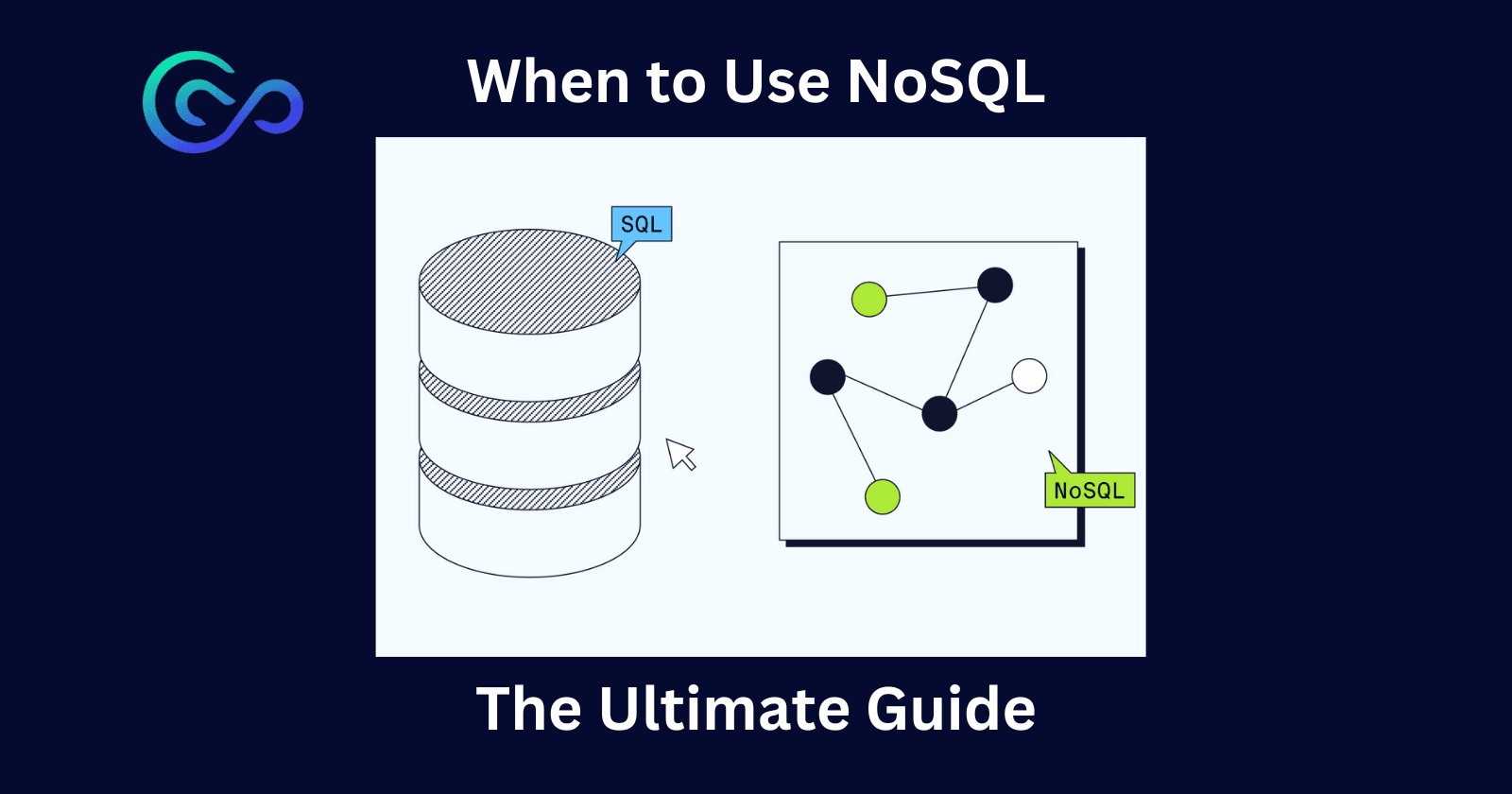
When to Choose NoSQL Databases: Understanding BASE Properties and the CAP Theorem

Share this article


Introduction
In the modern era of big data and cloud computing, choosing the right database is crucial for application performance, scalability, and flexibility. While traditional relational databases (RDBMS) have been the cornerstone of data management for decades, NoSQL databases have emerged as a powerful alternative for certain use cases. But how do you know when to choose a NoSQL database? This blog will guide you through the key concepts of BASE properties and the CAP theorem, helping you make an informed decision.
The Rise of NoSQL
NoSQL databases have been gaining traction over the past decade, largely due to their ability to handle the vast amounts of unstructured and semi-structured data generated by modern applications. Unlike relational databases that use structured query language (SQL) and predefined schemas, NoSQL databases are schema-less and can store data in a variety of formats, such as documents, key-value pairs, wide-columns, and graphs.
One of the most notable examples of a company that relies heavily on NoSQL databases is Facebook. With over 2.8 billion monthly active users, Meta (formerly known as Facebook) generates an enormous amount of data every second, including posts, comments, likes, and multimedia content. The company uses a variety of NoSQL databases, including Cassandra, HBase, and RocksDB, to handle this vast amount of unstructured data. These databases allow Facebook to scale horizontally, manage large volumes of real-time data, and provide a seamless user experience across the globe.
Understanding NoSQL
NoSQL stands for "Not Only SQL," emphasizing that these databases can support SQL-like query languages while offering greater flexibility in data storage and retrieval. The four main types of NoSQL databases are:
Document Databases: Store data as JSON, BSON, or XML documents. Examples: MongoDB, CouchDB.
Key-Value Stores: Store data as key-value pairs, providing fast lookups. Examples: Redis, DynamoDB.
Column-Family Stores: Store data in columns rather than rows, suitable for large-scale data analysis. Examples: Apache Cassandra, HBase.
Graph Databases: Store data as nodes, edges, and properties, ideal for interconnected data. Examples: Neo4j, Amazon Neptune.
ACID Properties and SQL
Before diving into the specifics of NoSQL, it's essential to understand the ACID properties that define traditional relational databases. These properties ensure reliable processing of transactions, making relational databases a solid choice for many applications.